Aviation
problem.
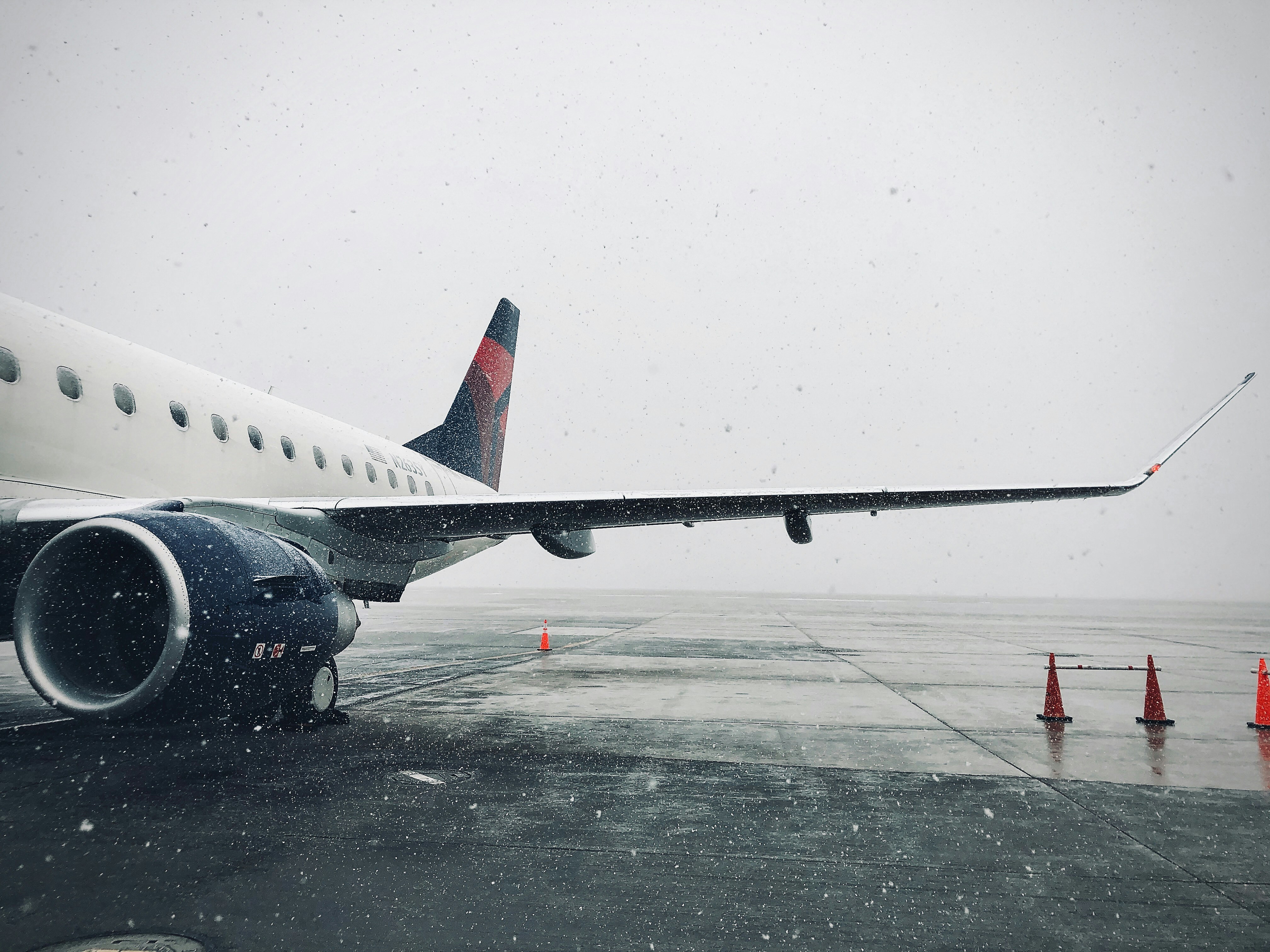
Weather causes 74% of all flight disruptions, costing airlines billions in delays, cancellations, and inefficient fuel consumption. While major carriers employ teams of meteorologists and operations researchers, most airlines and regional airports rely on basic weather services and reactive decision-making. Crews sit idle, planes burn fuel in holding patterns, and passengers face cascading delays — all because operational planning can't effectively integrate weather forecasts beyond a few hours ahead.
Weather causes 74% of all flight disruptions, costing airlines billions in delays, cancellations, and inefficient fuel consumption. While major carriers employ teams of meteorologists and operations researchers, most airlines and regional airports rely on basic weather services and reactive decision-making. Crews sit idle, planes burn fuel in holding patterns, and passengers face cascading delays — all because operational planning can't effectively integrate weather forecasts beyond a few hours ahead.
potential.
Reduced fuel consumption and idle time through proactive weather optimization. Airlines and airports can minimize costly holding patterns, reduce buffer times, and improve on-time performance. For a hub like Zurich Airport, this means fewer delays, better slot utilization, and significant CO2 reductions from optimized flight operations. Even smaller regional carriers could access the weather intelligence needed to compete on efficiency and reliability.
Reduced fuel consumption and idle time through proactive weather optimization. Airlines and airports can minimize costly holding patterns, reduce buffer times, and improve on-time performance. For a hub like Zurich Airport, this means fewer delays, better slot utilization, and significant CO2 reductions from optimized flight operations. Even smaller regional carriers could access the weather intelligence needed to compete on efficiency and reliability.
solution.
We're building a platform that transforms aviation weather management from reactive to proactive. We combine AI weather models with aviation-specific optimization engines that consider flight schedules, crew constraints, and network effects up to 7 days in advance. Through our APIs, airlines can dynamically adjust flight paths, optimize turnaround times, and pre-position resources before weather impacts occur.
We're building a platform that transforms aviation weather management from reactive to proactive. We combine AI weather models with aviation-specific optimization engines that consider flight schedules, crew constraints, and network effects up to 7 days in advance. Through our APIs, airlines can dynamically adjust flight paths, optimize turnaround times, and pre-position resources before weather impacts occur.